Bodygram
Quick-to-Deploy Body Data App for Fitness and Beauty Businesses
Helping non-technical clients adopt Bodygram’s technology with minimal setup
Bodygram | 2023-2024 | UX Lead
Vision & OKR Planning, Strategy, Concept, Design workshop facilitation, Research, Cross-functional collaboration, Rapid prototyping, Client communication
Summary
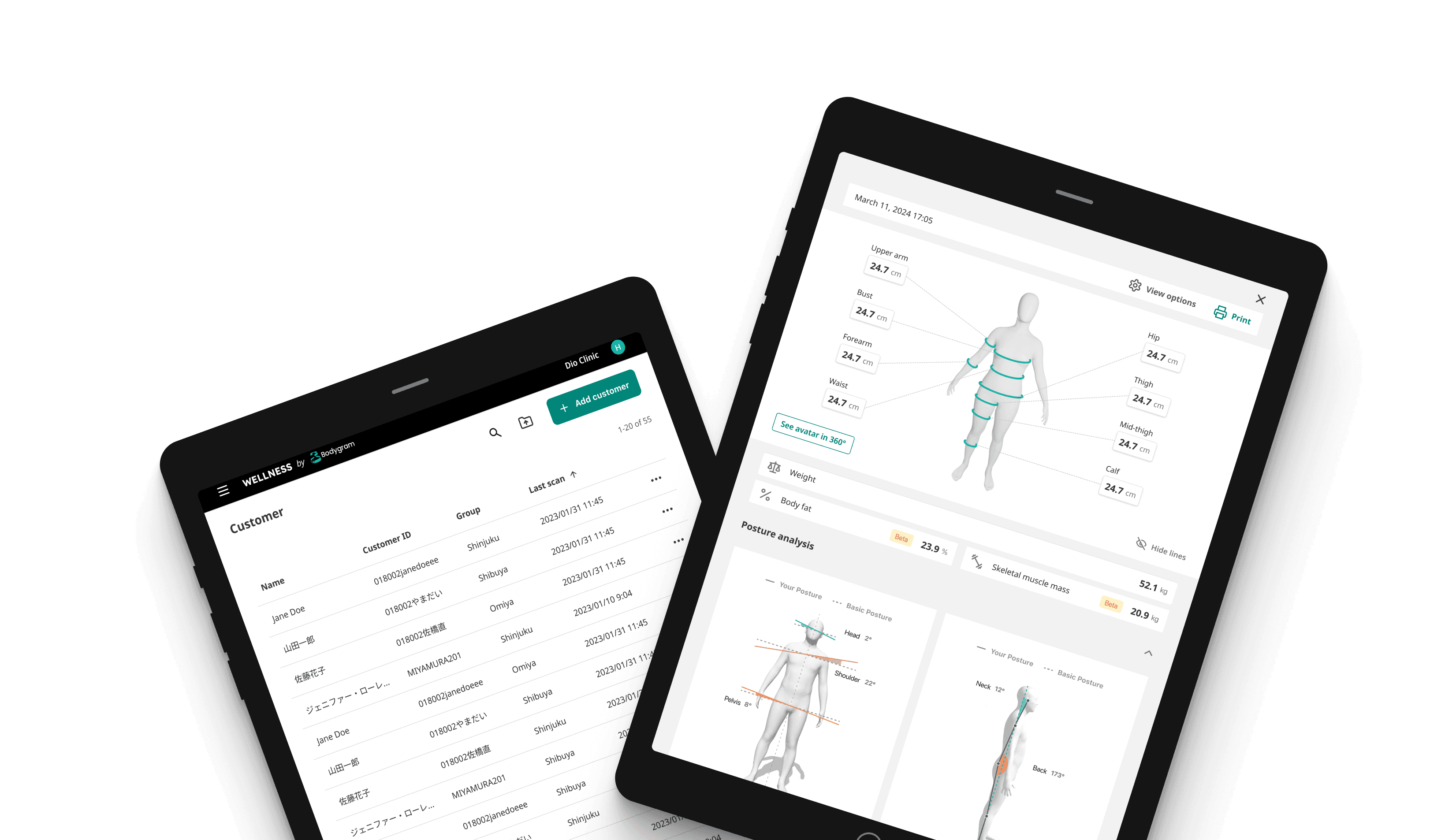
To support non-technical clients in fitness and beauty, I designed a ready-to-use business app that enabled instant access to Bodygram’s body measurement features. The app also served as a research tool to explore potential product opportunities and strengthen relationships with target industries.
Background
While the Bodygram Platform helped developers integrate body data into their services, we saw strong interest from smaller businesses—like gyms and beauty salons—that didn’t have the technical resources to do so. These clients needed a solution they could use right away, with no coding or complex setup. In response, we designed a standalone business app that enabled them to collect and manage body data instantly. At the same time, it allowed Bodygram to gather insights and validate new product directions through client feedback and pilot trials.
Problems
Clients couldn’t integrate it on their own even though they were excited about the value of body data.
Many lacked in-house developers and needed a plug-and-play solution.
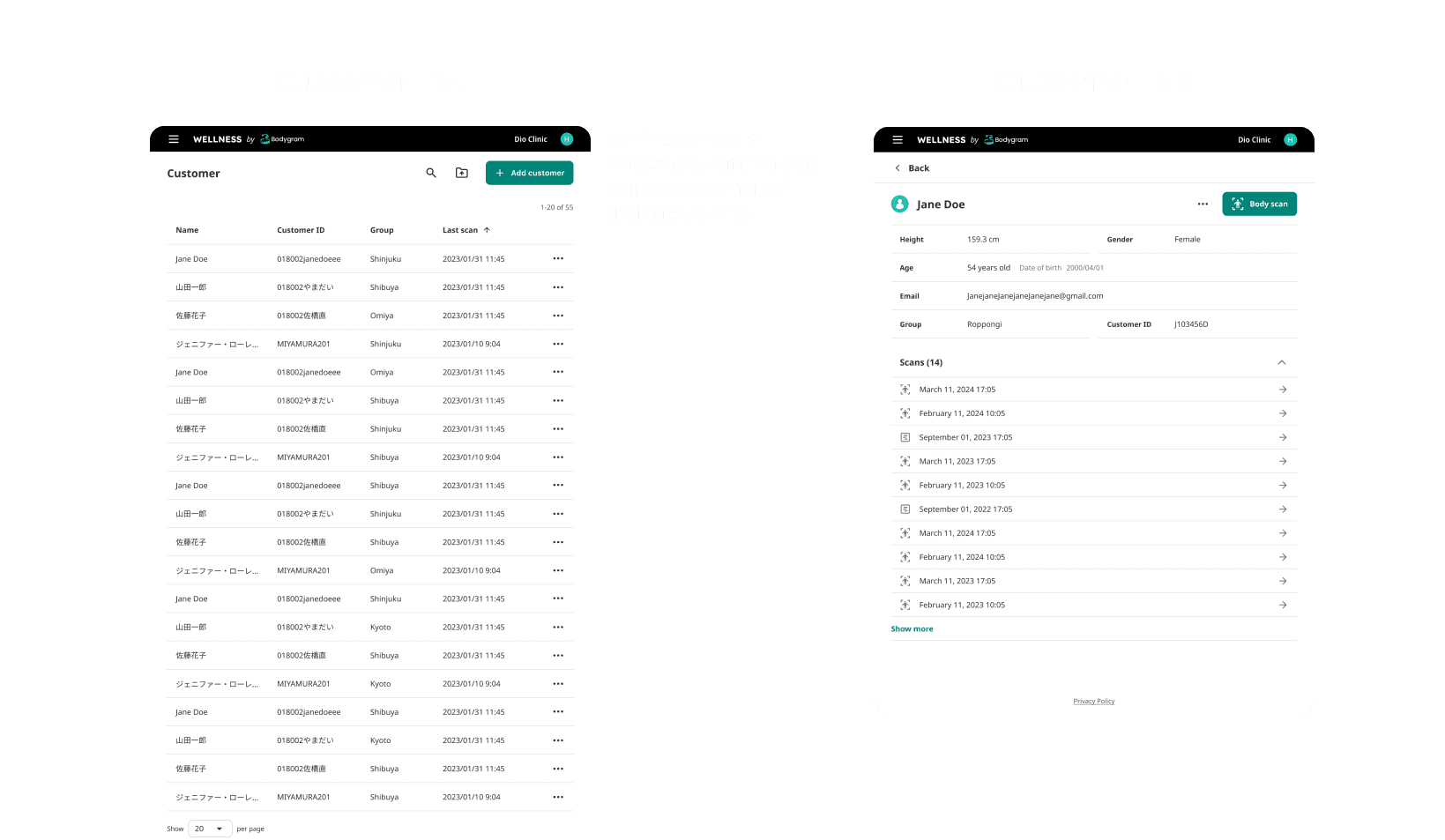
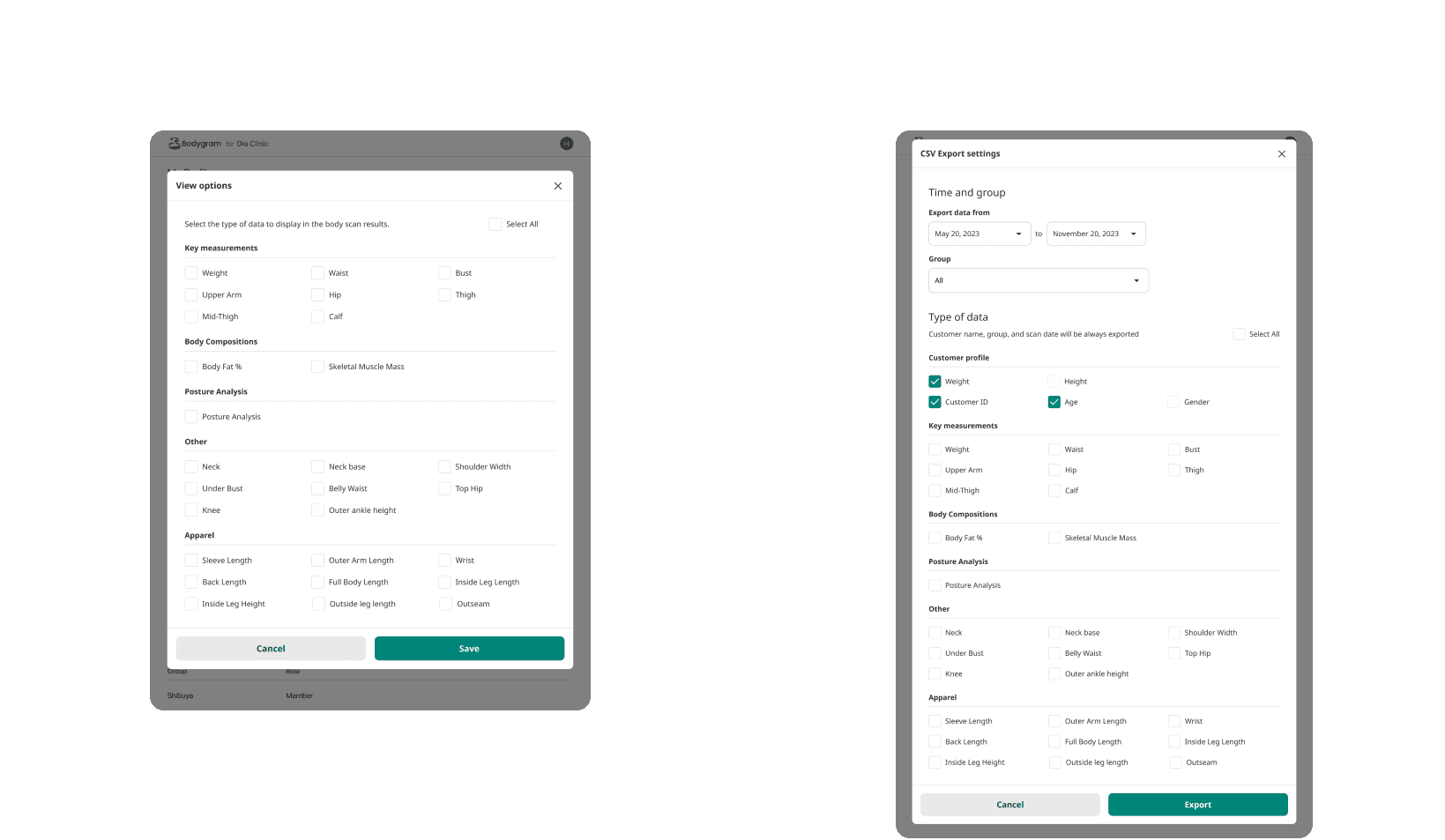
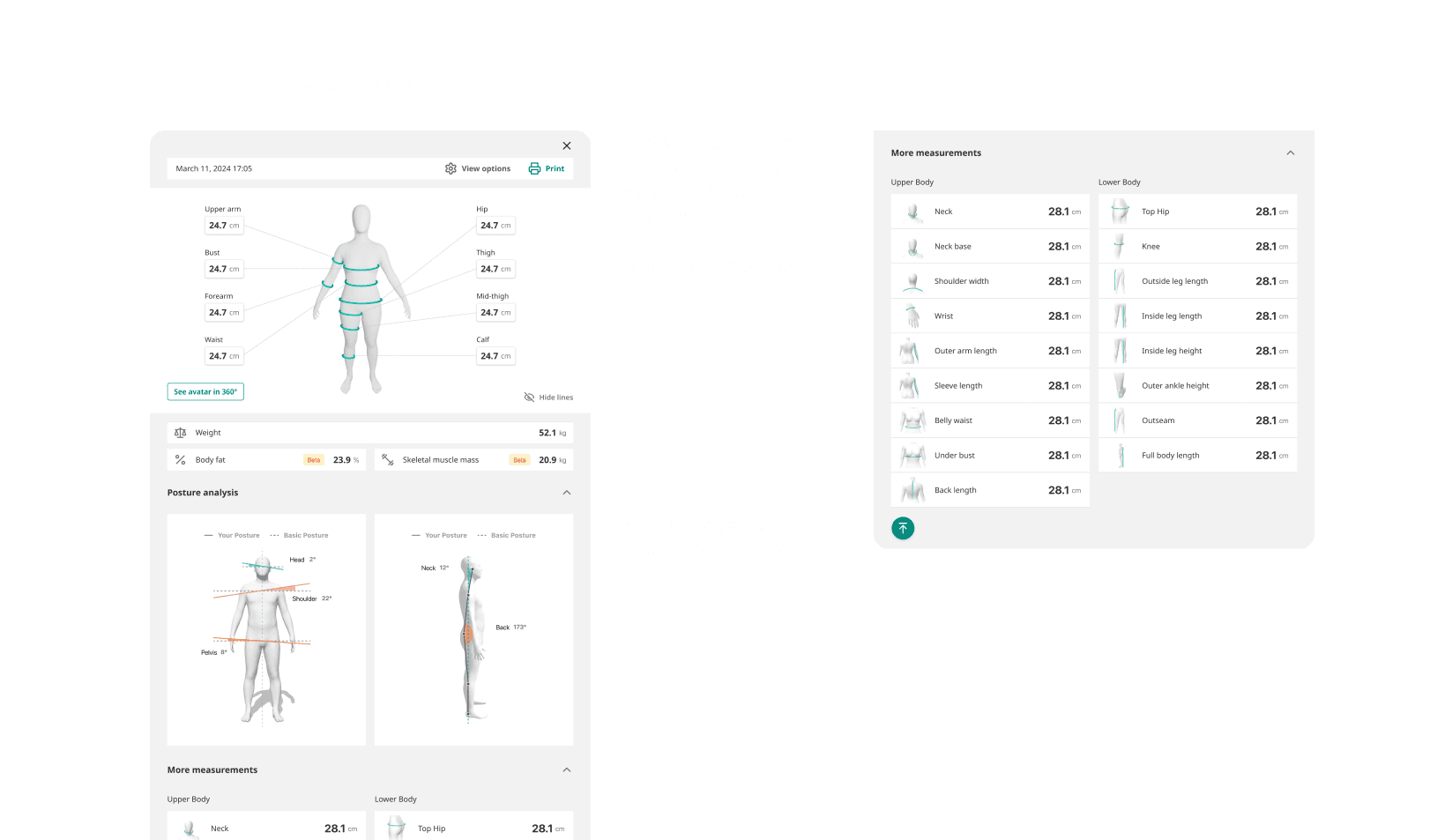
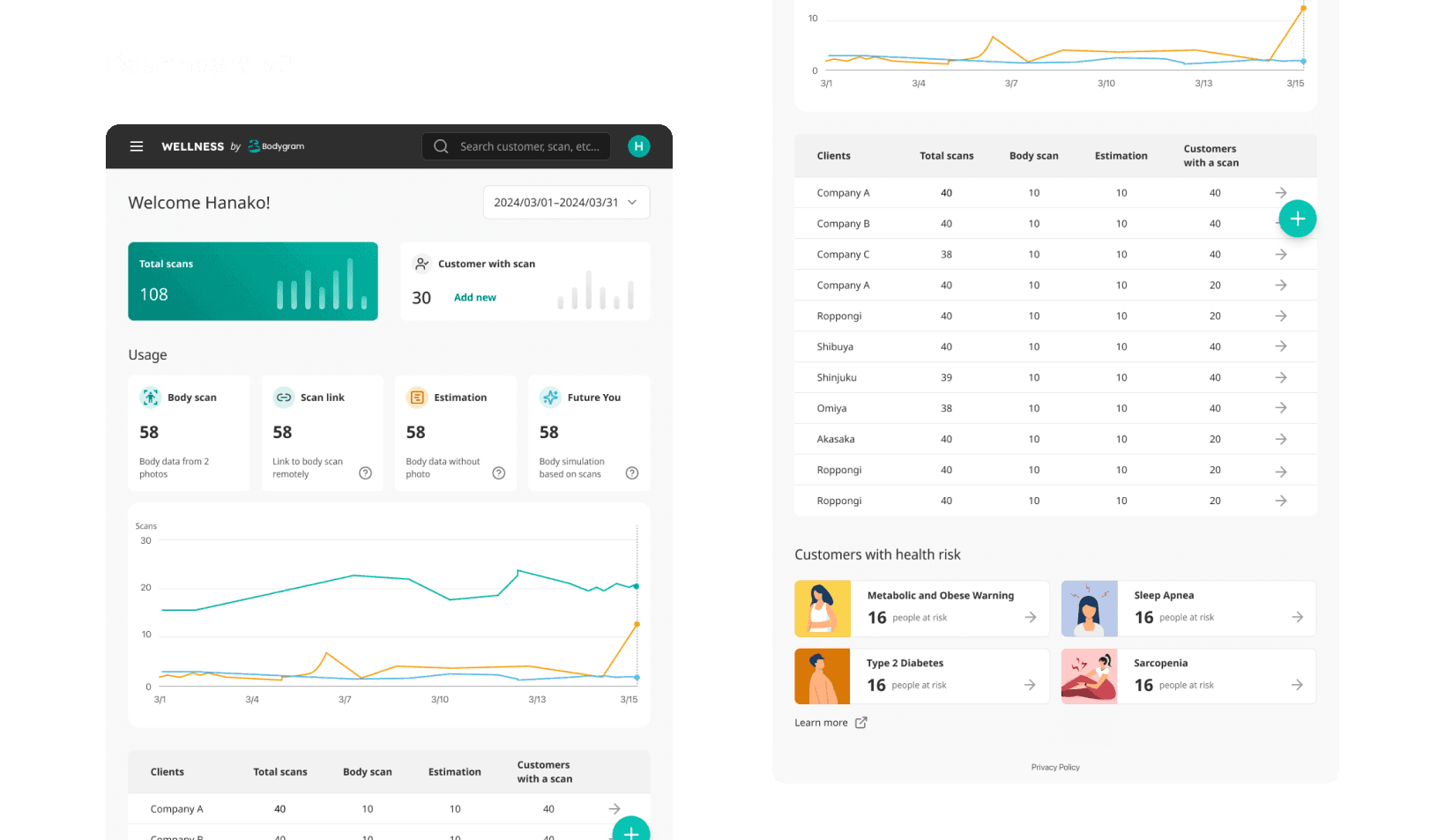
Businesses wanted to visualize customer changes and manage data efficiently, but their workflows varied widely.
The goal was to design an intuitive, versatile app that addressed these diverse needs—while minimizing technical complexity.
My Role
I was responsible for deepening our understanding of user problems, developing the concept, visualizing and validating the user experience, and working closely with engineering through implementation.
User Research
Prototyping & Validation
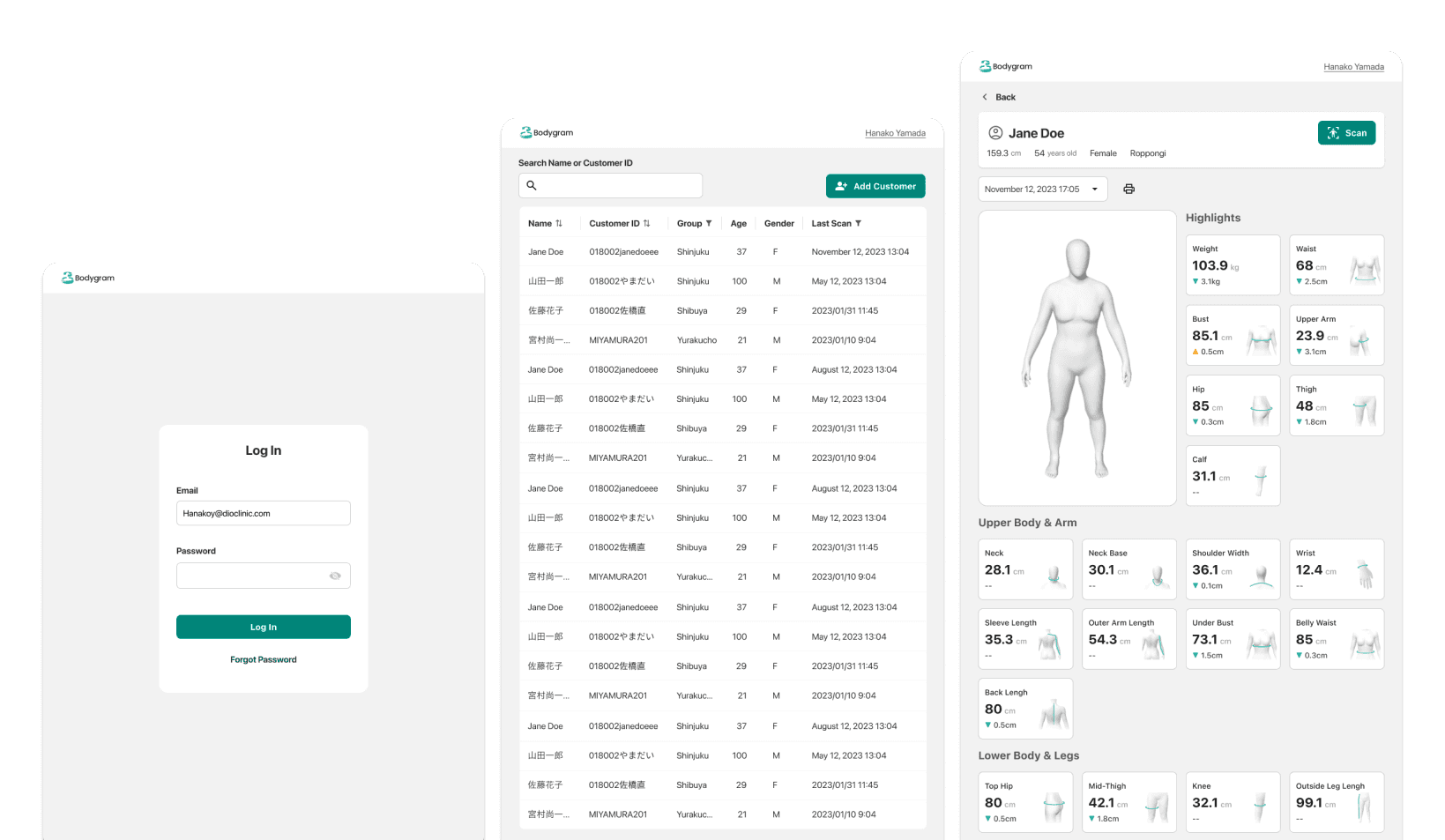
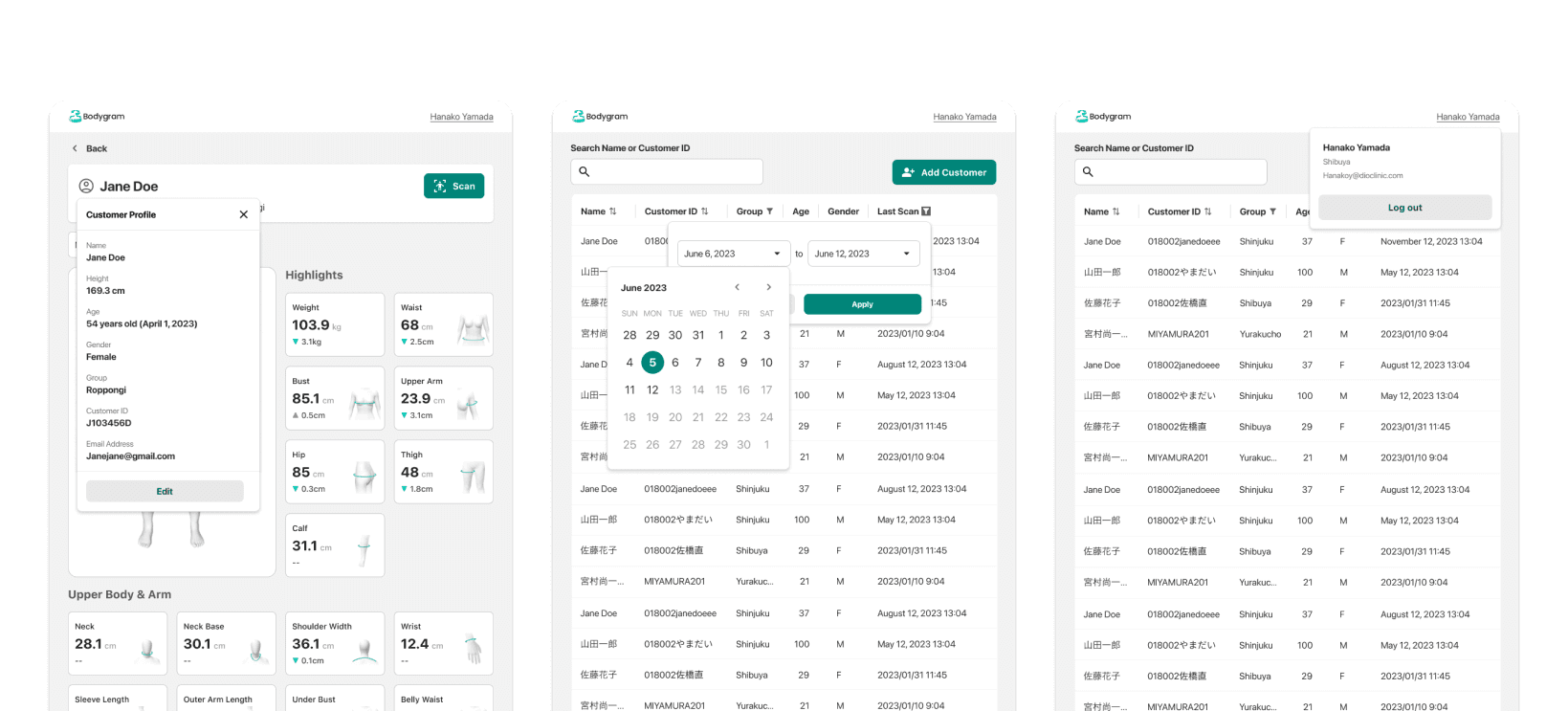
I translated these findings into wireframes and built a clickable prototype. I worked closely with engineers to ensure technical feasibility, while optimizing for:
Quick onboarding
Simple role-based access
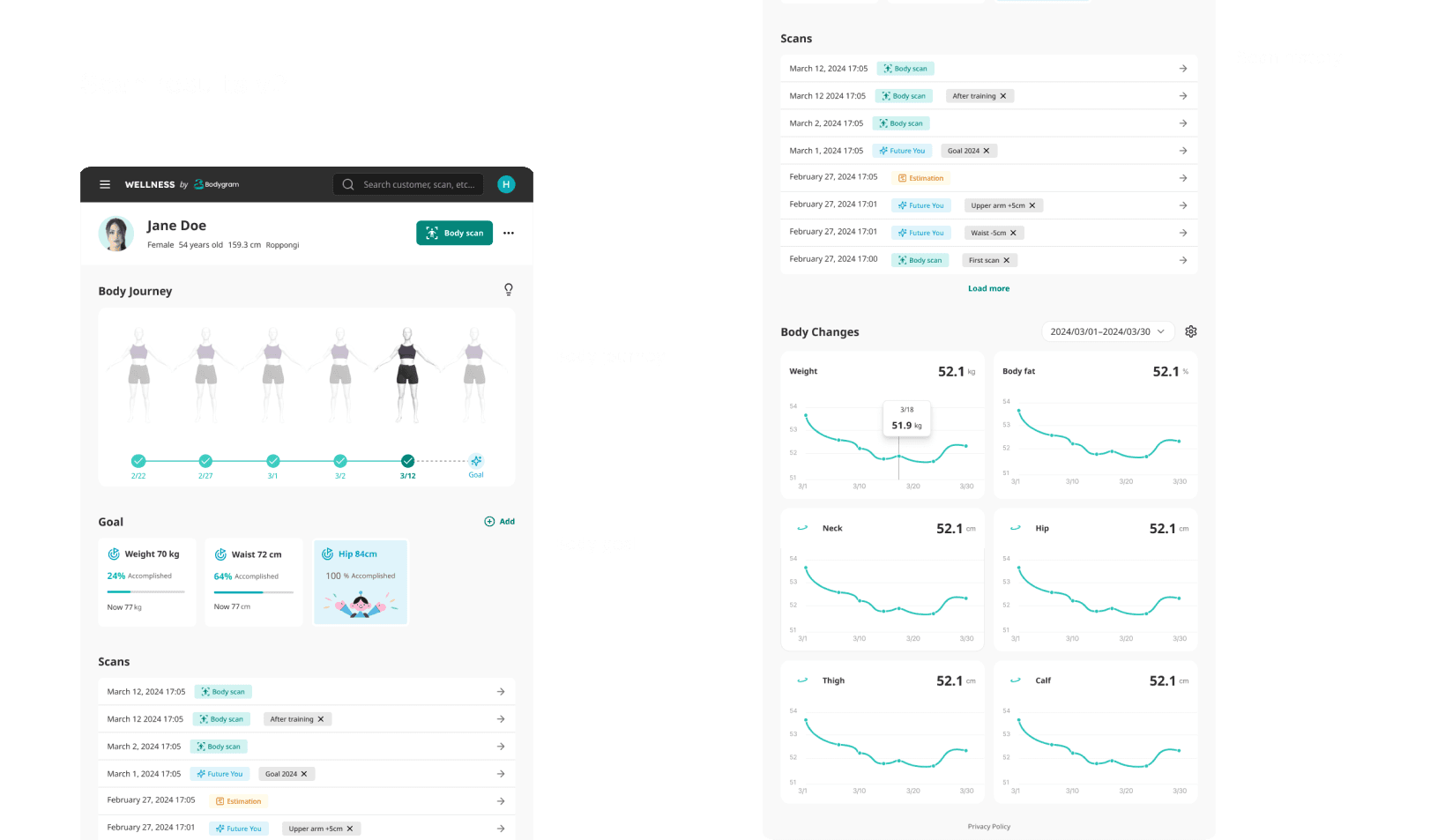
Clear before/after comparisons
We shared the prototype with clients and received positive feedback:
It saves time and the development effort
Clients thought their customers would be convinced by looking at their body changes
“This saves us a lot of time—we don’t need to build anything ourselves.”
“If we can show customers how their body might change, they’ll be more likely to sign up.”
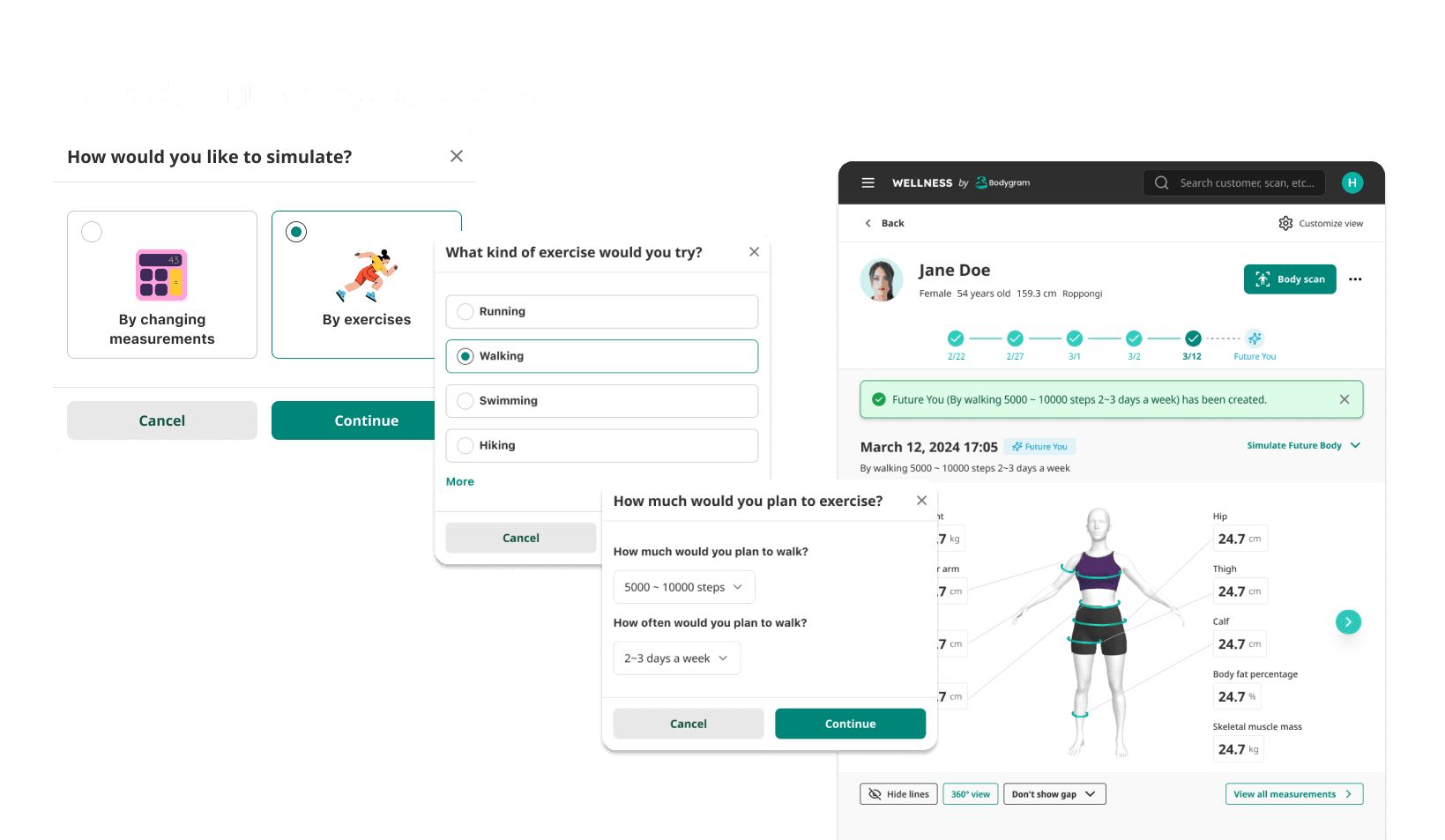
Highlight: Future Body Simulator
Client feedback:
“If customers can see their future shape, it’ll be much easier to get them to commit.”
MVP
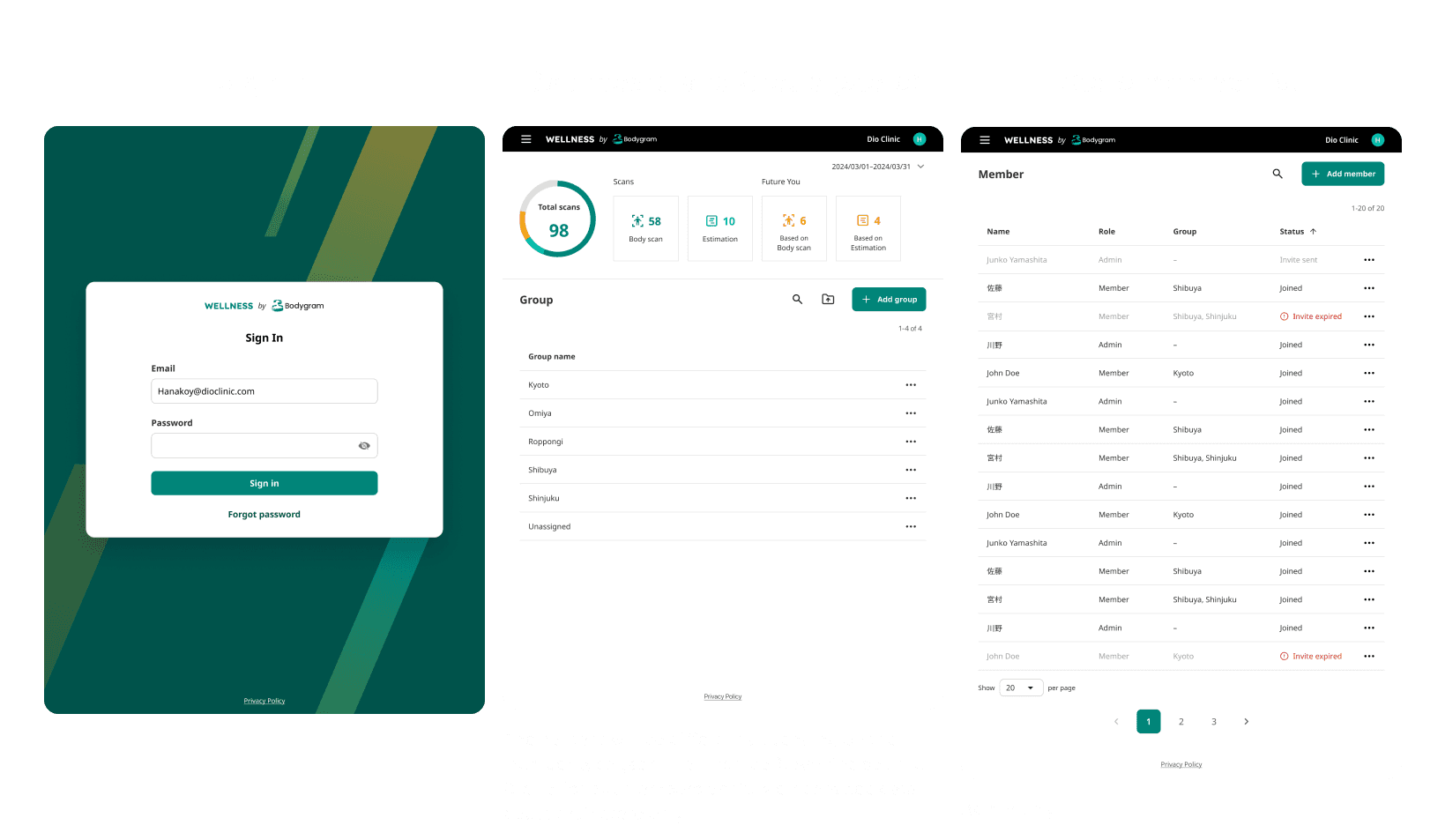
The MVP app was released to select partners, and multiple businesses began pilot testing the system. The Future Body Simulator became a strong differentiator in client pitches, leading the sales team to expand outreach across regions.
Impact & Next Steps
Helped convert interest into trials by removing technical barriers.
Identified high-potential use cases that informed roadmap discussions.
Strengthened collaboration between design, sales, and engineering.
I documented client needs, visualized the ideal experience, and worked with the product team to define a long-term roadmap that includes data visualization, role management, and future-body prediction.
Copyright©2026. Mikako Matsunaga