Salesforce
Sales Process Transformation
Envisioning the future of sales: Salesforce prototyping for a global battery leader
Salesforce | April – June 2025 | Solution Consultant
Cross-functional collaboration, Rapid prototyping, Requirements definition, Scenario and user definition, Client communication
Summary
I worked with a top battery manufacturer to define and prototype a new sales process using Salesforce Sales Cloud and Experience Cloud. The goal was to improve sales team efficiency and prepare for future business expansion. I contributed during the critical ideation phase by visualizing solutions and aligning stakeholders.
Background & Opportunity
The client, a leading battery manufacturer with the top market share in the industry, sought to streamline its sales operations in response to growing pressure from overseas competitors. Their goal was to improve operational efficiency and reallocate freed-up resources toward new business ventures and future growth.
To bring in fresh, external insight, they engaged our team to envision and define a modernized sales process. The overall project spanned six months, and I was involved during the critical two-month ideation phase, where we shaped the core strategy, identified key pain points, and rapidly prototyped solutions in collaboration with business and technical stakeholders.
UX Challenge
To support the client’s objective of optimizing sales efficiency, our team conducted interviews with clients' project team to understand the current workflow and uncover pain points. We found that salespeople followed their own individual processes, resulting in an inconsistent and opaque overall workflow. Moreover, leadership found it difficult to evaluate sales progress accurately, as KPIs and processes varied across teams.
To address these challenges, we proposed standardizing both the sales process and KPIs to provide visibility and consistency for managers. Through a series of co-creation workshops, we worked closely with the client to define an ideal sales flow, clearly articulating the steps and stages involved.
My Role & Approach
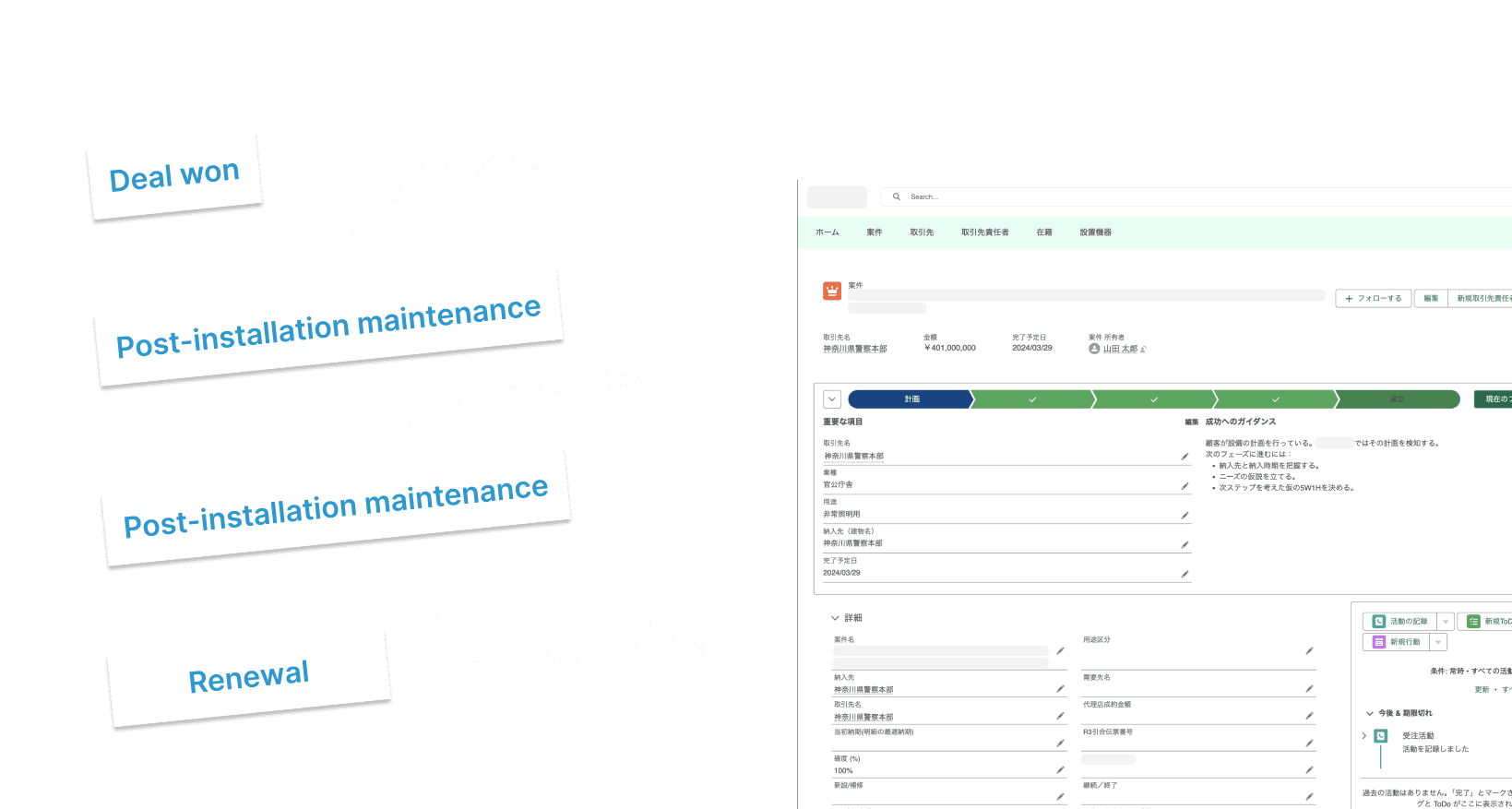
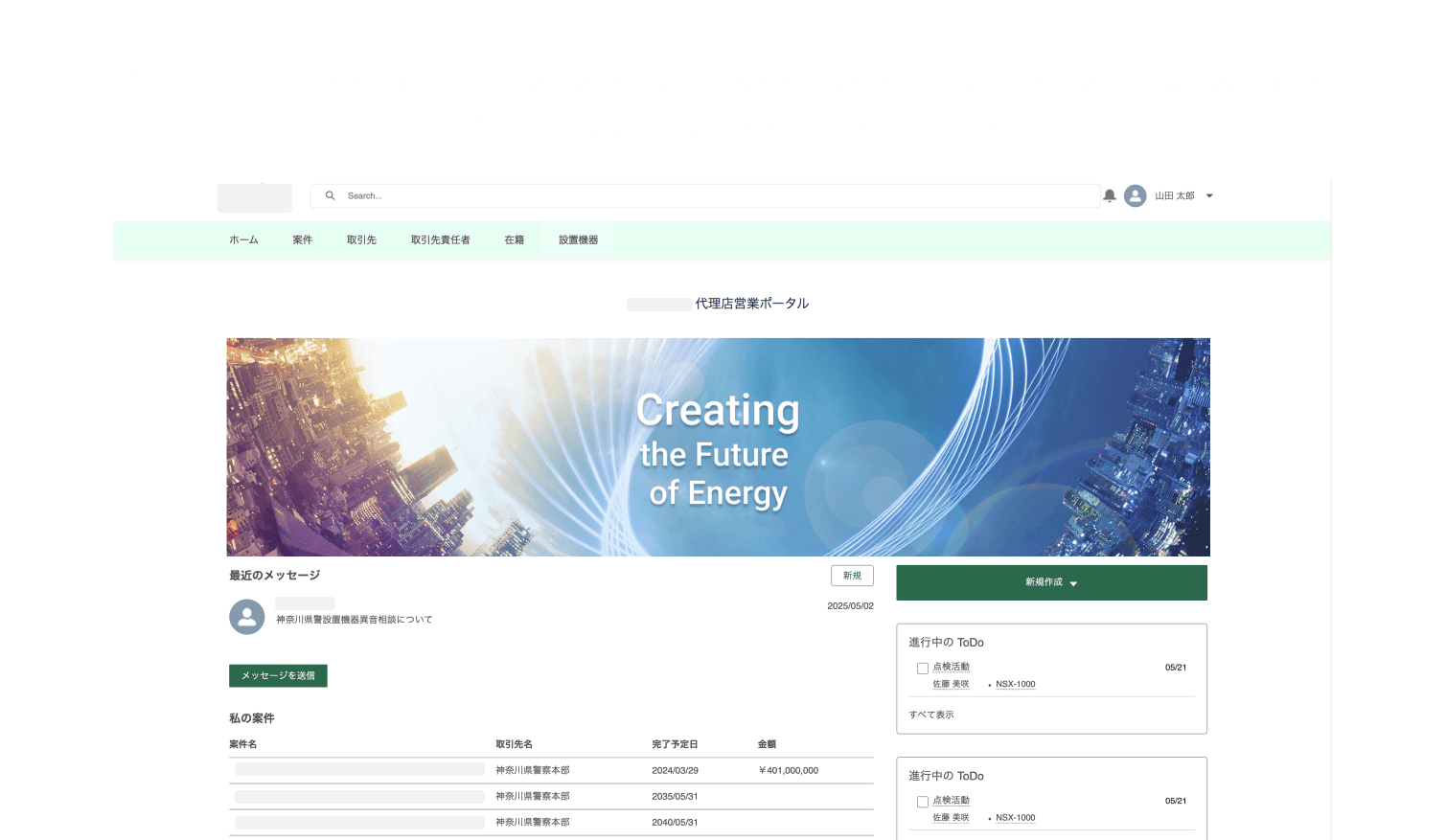
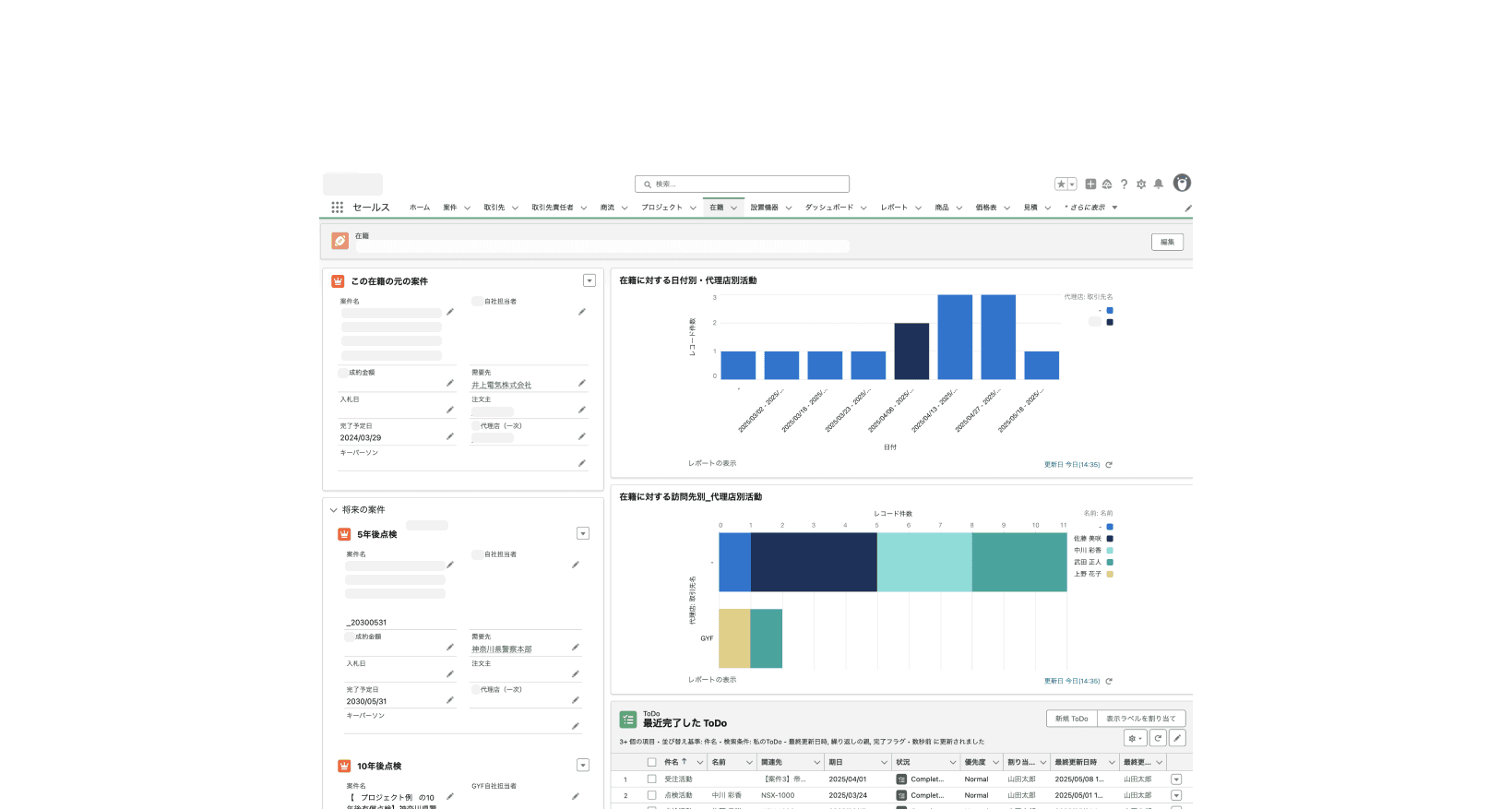
As the new sales process began to take shape, I took the initiative to create a working prototype using Salesforce Sales Cloud and Experience Cloud to visualize the proposed workflow. This was my first hands-on experience with Salesforce, and I self-learned the platform to quickly build a functional prototype. This allowed the team and client to align around a shared vision. I continuously refined the prototype based on feedback gathered from subsequent sessions.
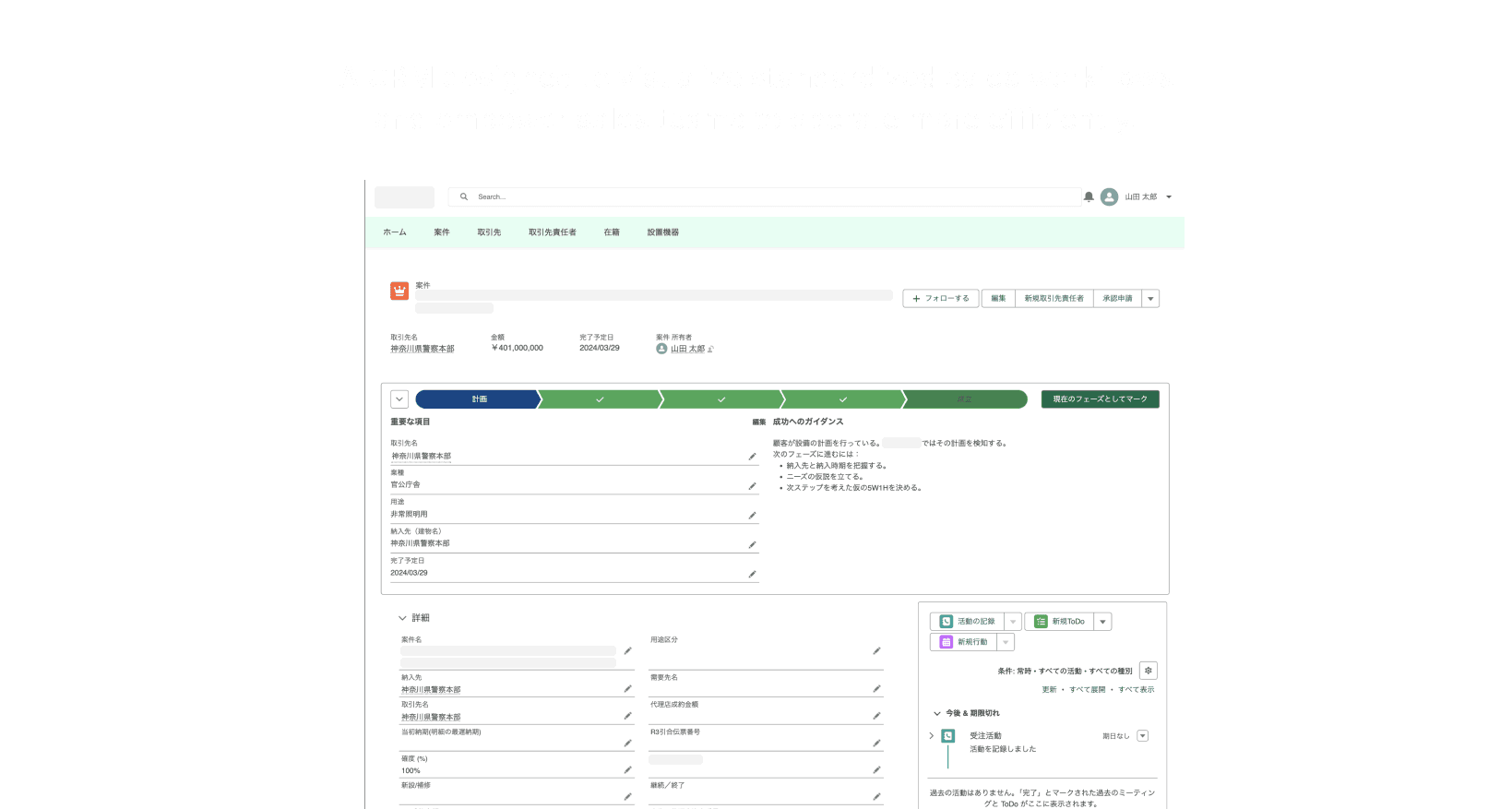
Bridging Business and Technical Requirements
As business workshops progressed, we began holding parallel technical sessions that increasingly overlapped with the business side. These discussions surfaced critical requirements that directly impacted the prototype—such as naming conventions to prevent duplicate records, customer master data management, and automation of data input from external systems.
I worked closely with both the business and technical consultants, consolidating insights from both sides to ensure the prototype aligned with strategic goals and technical feasibility. By rapidly visualizing proposed solutions in Salesforce, I helped the team and client understand system implications early on, enabling faster decision-making and securing alignment across functions.
Facilitating Leadership Alignment
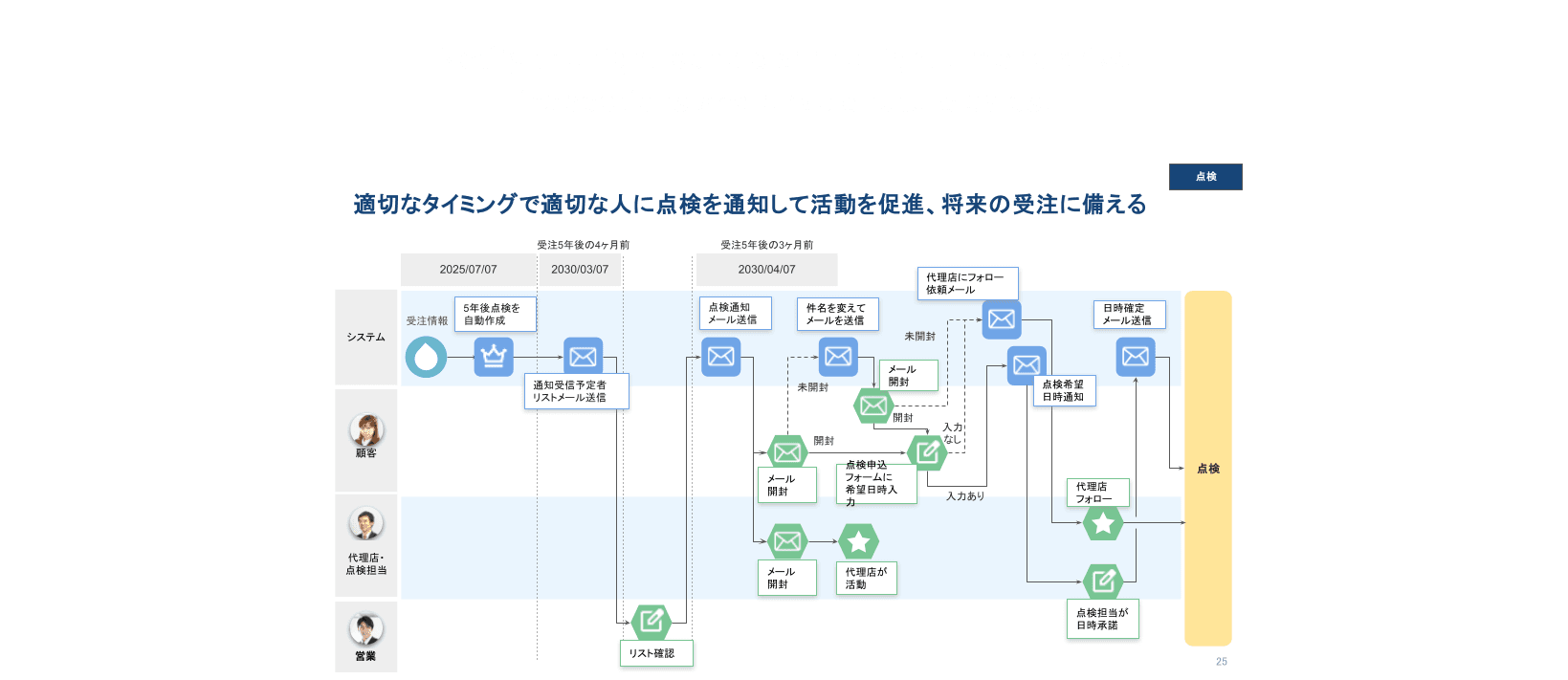
To support buy-in from the client’s Sales division leadership, I created a presentation scenario that guided the project lead in communicating the vision of the new sales process. The prototype played a key role in this narrative, helping leadership visualize the proposed workflow and anticipate future challenges.
This scenario also helped project members gain a clearer understanding of the end-to-end flow, while identifying potential risks early—allowing us to refine the process collaboratively.
Preparing for Implementation
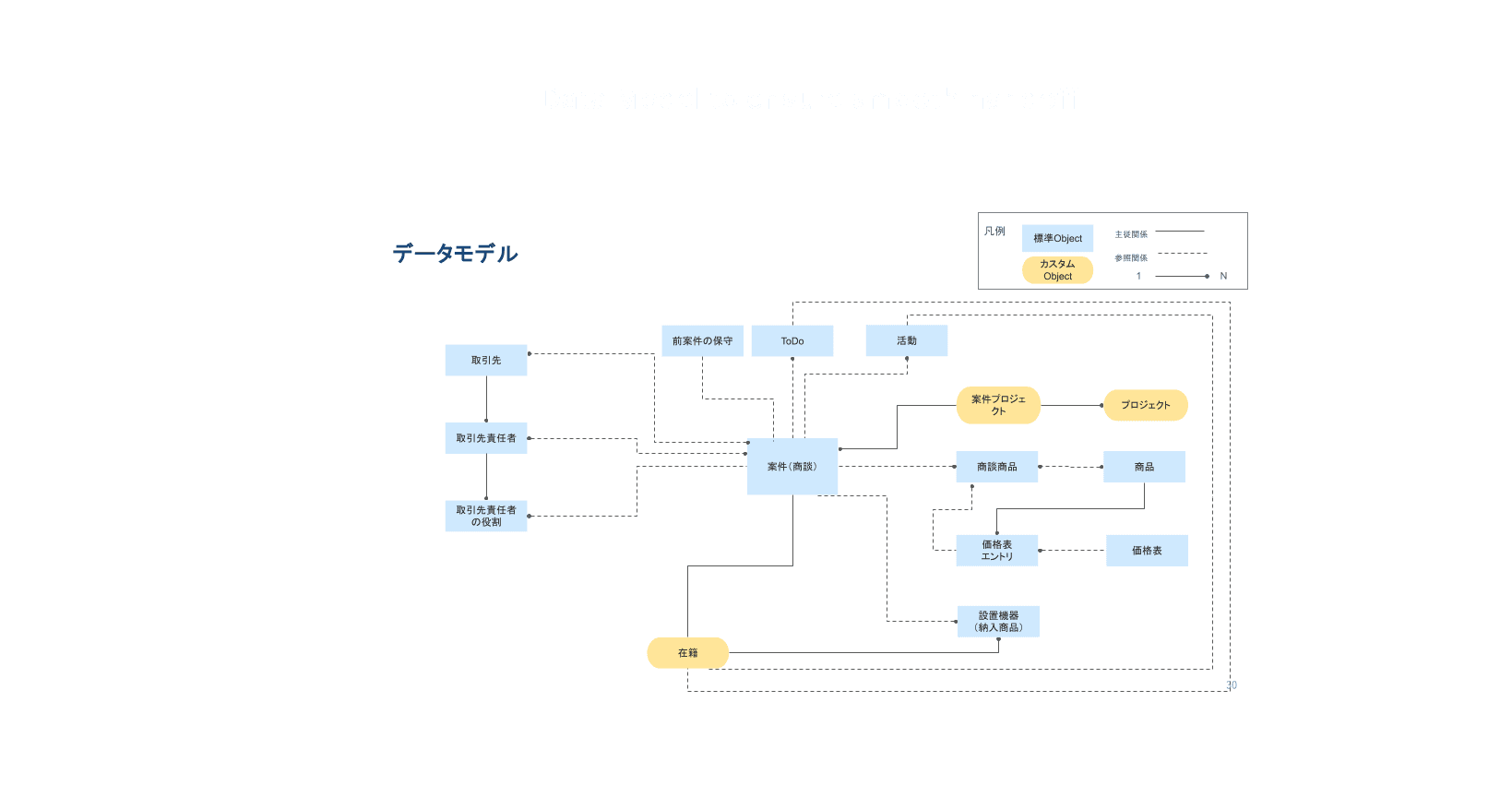
As I transitioned off the project before the leadership meeting, I ensured a smooth handoff by creating detailed documentation—including a design summary outlining the prototype's structure and key components in the Salesforce sandbox.
In the final weeks of my engagement, I led weekly prototype update sessions to keep stakeholders informed and flag outstanding requirements. The prototype wasn’t just a visual mockup—it was grounded in feasibility. I also led efforts to incorporate realistic client data into the prototype, helping teams clearly envision how the new process would function in real-world scenarios.
Copyright©2026. Mikako Matsunaga